Plywood is the hidden skeleton of your kitchen, wardrobes and TV unit — and one of the easiest places for a quote to quietly differ from what you expected. Understanding the grades helps you spend where it matters and save where it does not.
What the grades mean
- MR (Moisture Resistant) — the common “commercial” grade, suitable for dry interior use.
- BWR (Boiling Water Resistant) — better resistance to moisture and humidity.
- BWP (Boiling Water Proof) — the highest water-resistance among these grades, made for areas exposed to moisture or splashes.
Where BWP makes sense
- Kitchen base units, especially around the sink and dishwasher.
- Bathroom vanities and utility or balcony storage.
- Wardrobes on external walls or in humid, coastal or poorly ventilated rooms.
Where commercial (MR) grade can be enough
Wardrobes, TV units and study furniture in dry, ventilated rooms often perform well with a good MR grade board — provided the edges are properly sealed and the surface laminate is well applied. Spending on BWP everywhere adds cost without always adding value.
Plywood is only half the story
A great board can still fail with poor finishing. Check the whole build:
- Laminates and veneers — thickness, brand and finish quality.
- Edge banding and adhesive — the first place moisture enters.
- Hardware — soft-close hinges and drawer systems from established makers such as Häfele, Hettich and Blum.
How to check what you are getting
- Ask for the brand, grade and thickness to be written in the quote.
- Look for the ISI mark and the grade stamp on the sheet.
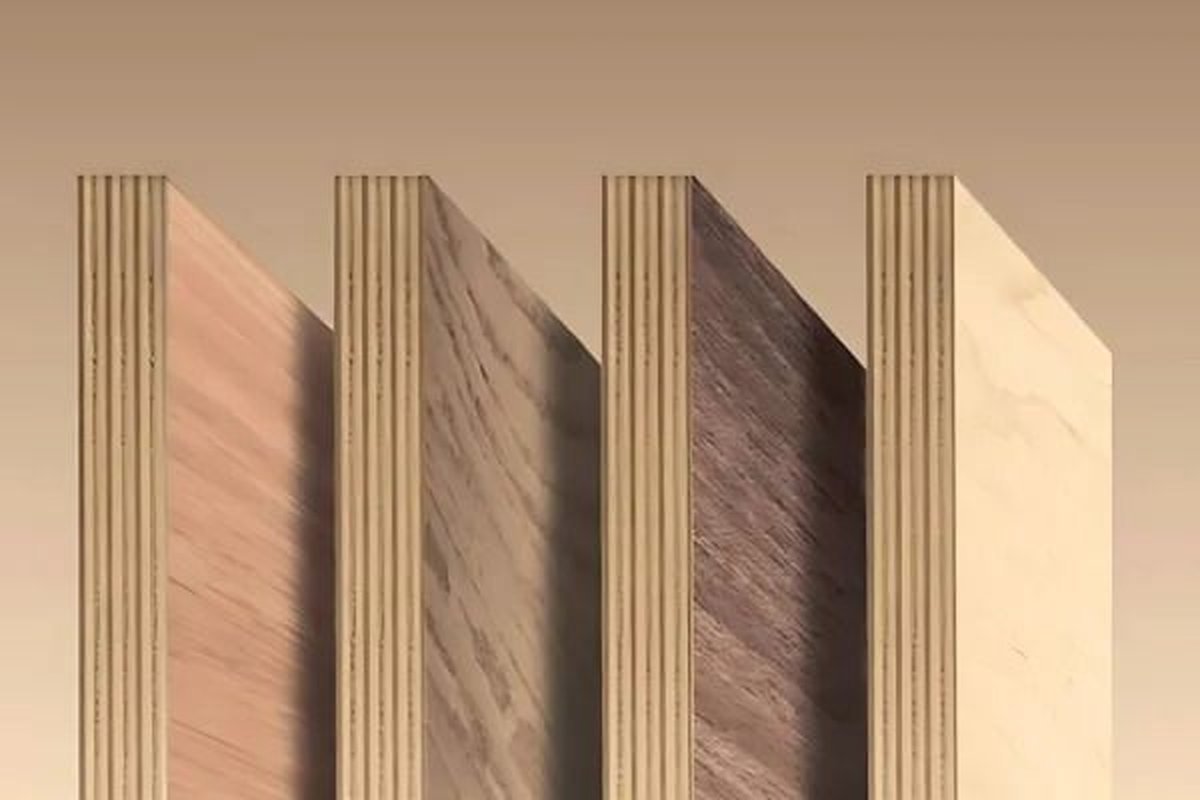
- Inspect the cut edge: even layers and no gaps or voids.
- Ask where the carcass is being made — in a controlled factory or improvised on site.

Aventra Interiors TeamDesign · Build · Deliver